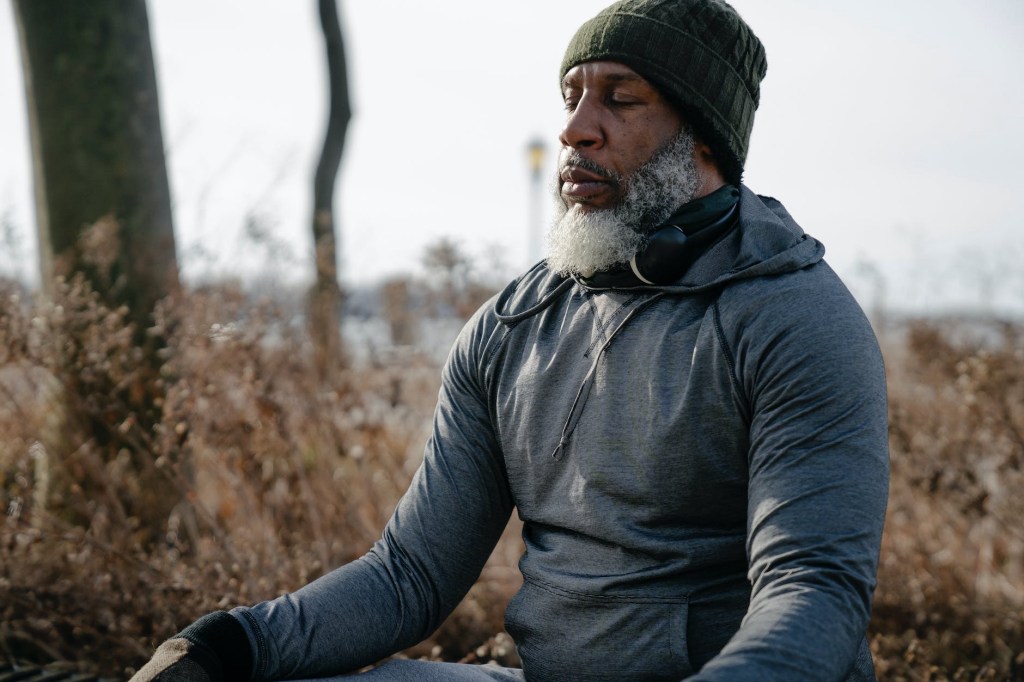
In this article, we delve into the concept of “double consciousness” and its profound influence on mental well-being, offering insights and strategies for cultivating emotional resilience in the face of this unique psychological experience.
Living with a dual identity can have a significant impact on one’s emotional well-being. This phenomenon, often referred to as “double consciousness,” is experienced by individuals who navigate the complexities of belonging to both a marginalized racial or ethnic group and a broader society. In this article, we explore the emotional challenges associated with double consciousness and provide valuable tips and strategies to promote mental wellness and emotional resilience.
Understanding Double Consciousness
Double consciousness, a concept first introduced by W.E.B. Du Bois, encapsulates the inner conflict between personal aspirations, beliefs, and values, and the external racial identity imposed by society. This dual identity can lead to heightened stress, anxiety, and a sense of alienation, all of which have implications for mental health.
Navigating Emotional Challenges
One of the primary emotional challenges faced by individuals with double consciousness is the need for constant vigilance. In predominantly non-diverse environments, there is often a heightened awareness of how one is perceived by others. This ongoing vigilance can lead to emotional exhaustion and increased stress levels.
Strategies for Emotional Resilience
Building emotional resilience is key to maintaining mental wellness while navigating the complexities of double consciousness. Here are some strategies to consider:
- Self-Reflection: Engage in self-reflection to better understand your dual identity. Recognize the sources of inner conflict and work towards reconciling them.
- Emotional Expression: Find healthy outlets for expressing your emotions. This can include journaling, talking to a trusted friend or therapist, or engaging in creative activities.
- Community Support: Seek out and connect with supportive communities that share similar experiences. Building a network of individuals who understand your journey can provide invaluable emotional support.
- Mindfulness and Self-Care: Incorporate mindfulness practices and self-care routines into your daily life. These techniques can help manage stress and promote emotional well-being.
- Educate and Advocate: While it can be emotionally taxing, consider engaging in discussions about race and discrimination when you’re comfortable. Educating others and advocating for change can be empowering and contribute to a sense of purpose.
Conclusion
Double consciousness is a complex psychological experience that significantly impacts emotional well-being. However, with self-awareness and the adoption of strategies for emotional resilience, individuals can navigate this duality and maintain their mental health. By understanding and addressing the emotional challenges associated with double consciousness, we move closer to creating a more inclusive and equitable society where emotional well-being is prioritized for all.
 Sefiro
Leave a comment