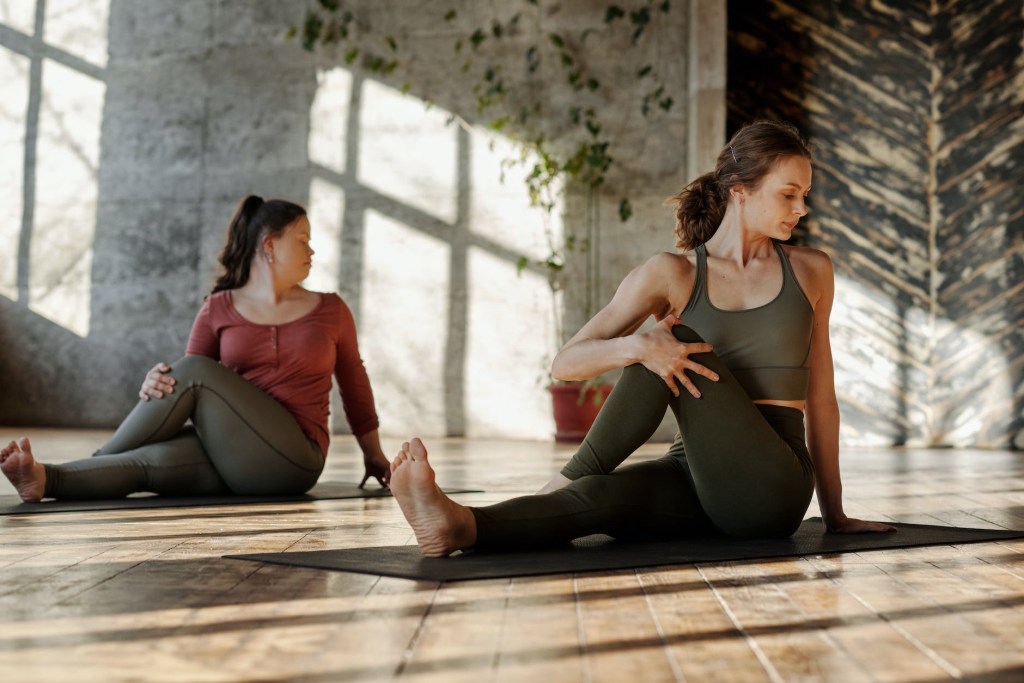
Connective tissue serves as the intricate web that supports and binds the structures within our bodies, including tendons, ligaments, and fascia. Maintaining the health and flexibility of these connective tissues is crucial for overall well-being and mobility. In this article, we delve into the world of Yin yoga, a practice known for its profound impact on connective tissue health.
Connective tissue plays a vital role in providing support and structure to our body. Tendons connect muscles to bones, ligaments attach bones to each other, and fascia surrounds muscles, organs, and other structures. The health of these connective tissues is essential for joint function, flexibility, and overall physical resilience.
Yin yoga is a unique and contemplative form of yoga that involves holding poses for an extended duration, typically ranging from 3 to 5 minutes or even longer. Unlike more dynamic forms of yoga, Yin yoga focuses on the deep connective tissues rather than the muscles. Poses are often seated or lying down, allowing practitioners to relax into each posture.
One of the distinctive features of Yin yoga is its emphasis on targeting the deeper layers of connective tissue. Traditional forms of exercise often focus on muscles, leaving connective tissues somewhat neglected. The prolonged holds in Yin yoga poses gently stress the connective tissues, promoting increased flexibility and range of motion.
Regular practice of Yin yoga can contribute significantly to enhanced flexibility and joint mobility. As the connective tissues gradually lengthen and release tension, individuals may experience increased ease of movement and reduced stiffness. This is particularly beneficial for those dealing with issues such as joint discomfort or limited flexibility.
In addition to its physical benefits, Yin yoga is believed to stimulate the flow of energy, known as chi in traditional Chinese medicine or prana in yoga philosophy. The long-held poses create space for the free flow of energy throughout the body, promoting a sense of balance and relaxation.
Yin yoga’s slow and meditative nature also lends itself to fostering relaxation and mindfulness. The extended holds encourage practitioners to turn inward, cultivating a heightened awareness of breath, sensations, and mental states. This aspect of the practice can contribute to stress reduction and overall mental well-being.
Incorporating Yin yoga into a wellness routine can offer a myriad of benefits for connective tissue health. By addressing the often-neglected deeper layers of our anatomy, this practice promotes flexibility, joint mobility, and overall physical and mental well-being. Whether you are a seasoned yogi or new to the practice, exploring the gentle yet profound effects of Yin yoga can be a valuable addition to your holistic health journey.
 Sefiro